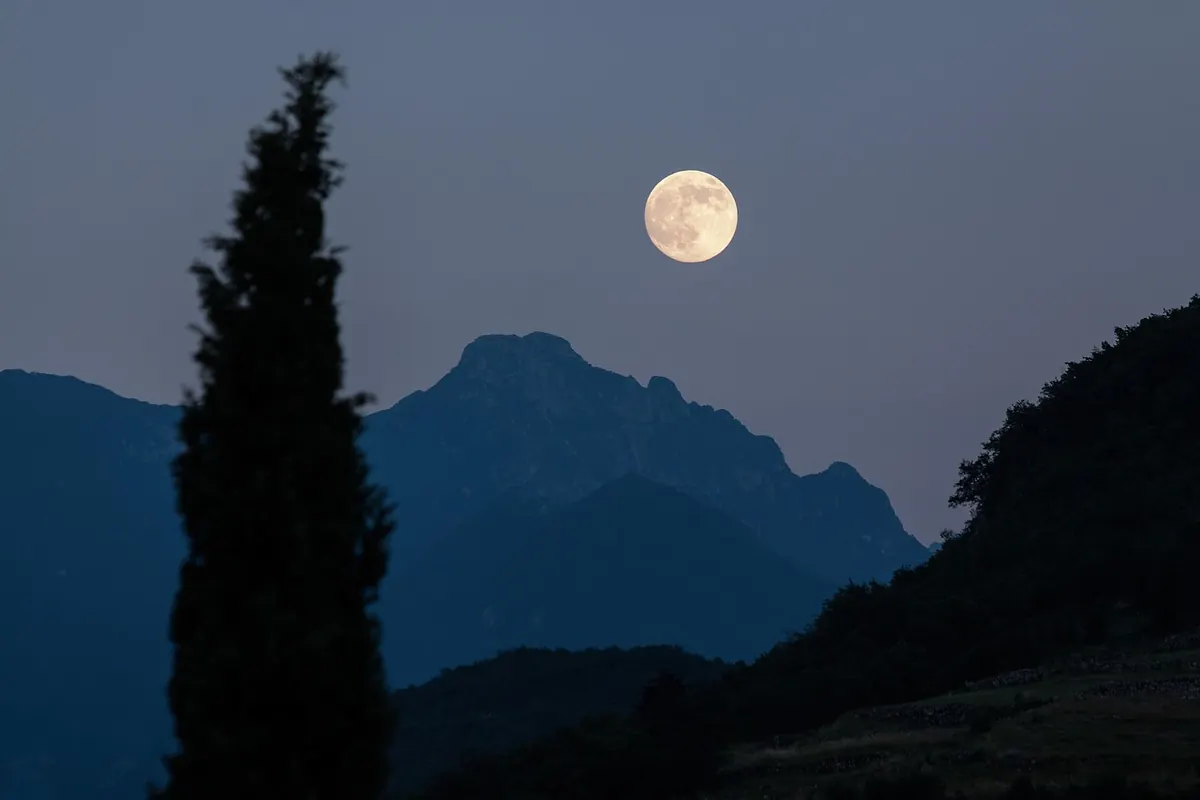
An Italian cypress growing out of a pavement in Bologna or a courtyard in Palermo lives a harder life than its cousin on a hillside. It gets less rain and more reflected heat, a root run the size of a parking bay, and a steady supply of dust, dog urine and, sooner or later, a strimmer. The seasonal jobs stay the same — prune, water, mulch, check for pests — but the emphasis shifts. In town you spend far more time on soil, water and early warning signs than on anything you do with a saw.
What follows is a working checklist for the year. Treat the months as prompts rather than appointments, because a mild February in one city is not a mild February in another.
Two cypresses on the same street can need very different care. Before you plan anything, spend ten minutes looking at where yours actually grows.
Write down what you find. It makes every later decision easier, especially the watering ones.
March to May is the busiest stretch of the year, and the one where a careless hour does the most damage.
Late winter to early spring is the window. Two rules matter more than whatever shape you have in mind:
Remove dead, crossing and rubbing shoots. Thin the interior a little so light and air reach the middle of the crown. Avoid shearing a column into a tight outer shell — it looks neat for a season, then the shaded interior dies back and you cannot see what is happening inside.
Prune for air, not for shape. A cypress that keeps its inner light keeps its inner leaves.
Cypress aphid shows up as greyish-green to rusty brown patches on the outer growth, often with sticky honeydew on cars, paving or window ledges below. Look at the branch tips on the sheltered side first; that is where colonies usually build. A strong jet of water dislodges light infestations, and a sticky band or careful spot treatment handles worse ones. If the browning spreads week by week rather than settling into a patch, call a certified arborist rather than guessing.
Spring is also the moment to pull grass and weeds back at least 50 cm from the base, and to remind anyone with a strimmer that the bark near the ground is not to be touched. Ring-barking from a line trimmer is one of the most common avoidable injuries on city trees.
Established cypress are tough, but "drought tolerant" is not "drought proof", particularly in a hot street with reflected heat. A young tree needs a proper soak — enough to reach 30 cm down — roughly every week or ten days through its first three summers. Little and often is the worst of both worlds: it wets the surface, encourages shallow roots and evaporates before it counts. Water early in the morning so less is lost.
Trees in containers are a different job entirely. In a heatwave they may need water daily, and they will dry out far faster than anything in the ground. Push a finger in before you pour.
Top up mulch to 5–8 cm of coarse bark or compost, keeping it a hand's width clear of the trunk. Do not mound it against the bark. Skip nitrogen fertiliser in high summer; soft, fast growth in a dry spell is a liability, not a favour. Do not prune in a heatwave either — a stressed tree with a fresh wound is exactly what you do not want in August. Hosing down paving near the tree in the late afternoon cools the immediate surroundings, but it is no substitute for water at the roots.
Fine stippling and a dull, dusty look on the foliage in July and August can mean spider mites. Hold a white sheet of paper under a branch and tap it; if tiny specks start crawling, you have your answer.
September to November is the most generous window in a Mediterranean climate. The soil is still warm, rain is coming, and roots keep working long after the top growth has slowed.
Resist the urge to do heavy structural pruning now. Wounds made going into a wet winter are the ones most likely to cause trouble. Remove storm damage cleanly and leave the rest until late winter.
December to February is quiet, which makes it the right time for the jobs that need a clear head. Dormant pruning can continue in mild weather, but hold off during hard frost and never work on frozen or waterlogged ground — you will compact soil you cannot repair later.
In cities that grit roads, de-icing salt is a real hazard. Do not pile salty snow against a trunk, use grit or sand rather than salt on paths close to the tree, and flush the root zone with a good soak during a mild spell if you suspect a build-up. After winter storms, walk the tree and look for split leaders, cracked bark and loosened stakes.
Look closely at the trunk while there are no leaves in the way. Sunken dead patches, resin bleeding and browning that advances from one point along a branch are worth a professional opinion — canker is manageable when caught early and much harder later. Sharpen your tools, oil the hinges and clean the blades properly. This is also a good month to photograph the tree from the same two or three angles you used last year.
Once a month, all year, do this circuit. It catches more problems than any single big intervention.
The most useful tool for a city cypress is a notebook, or a folder of dated phone photos. Write down when you watered, what you pruned, what you saw. Patterns show up quickly — the same corner browning every September, the same patch of soil staying damp after rain — and they turn guesswork into decisions.
Most of the work in this checklist is small: a handful of mulch, a soaked root zone, a blade wiped clean, a browning tip noticed in April rather than August. Do those things roughly on time and the tree will do the rest. Where you are unsure about structure, disease or a leaning trunk near a building or path, bring in a certified arborist for a site visit; a short professional assessment costs less than a replacement tree.
Photo: stux / Pixabay
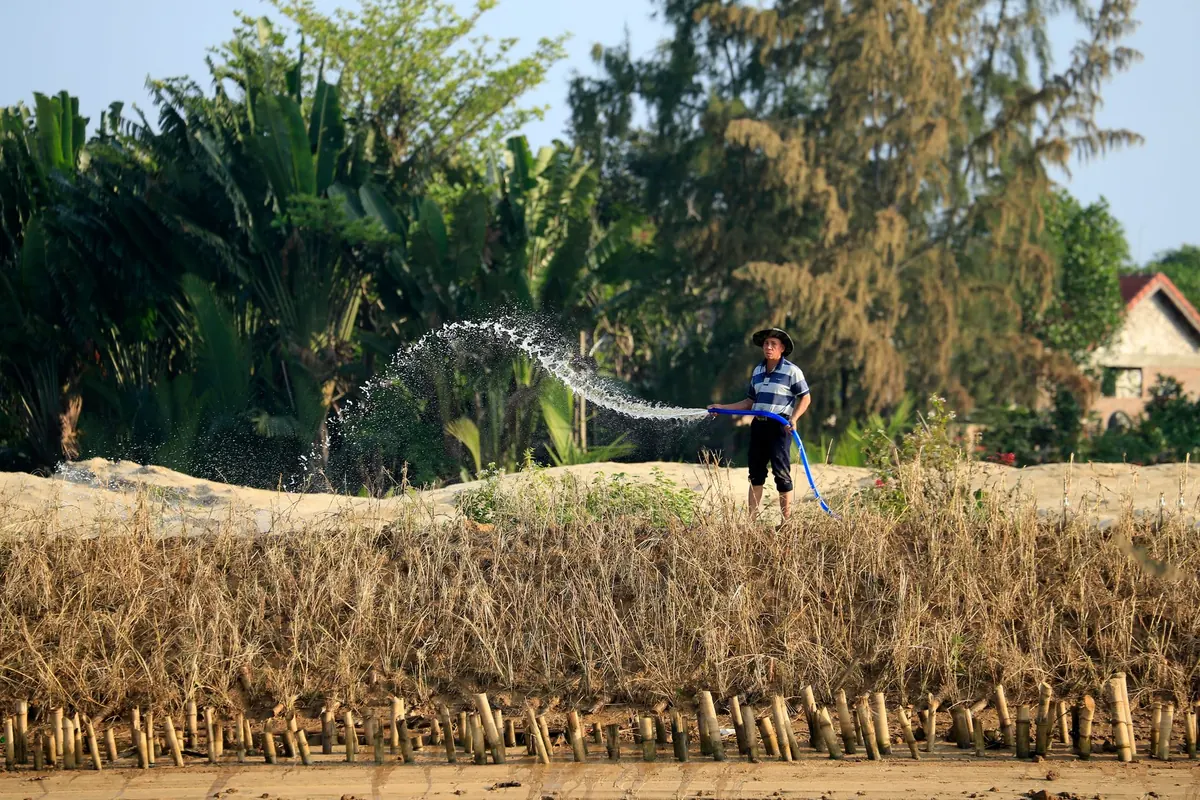
A practical troubleshooting guide to the most common urban tree watering errors during heat waves — frequency,...

Columnar cypress can screen a narrow driveway without turning it into a tunnel. Here is how to choose, lay out, and...
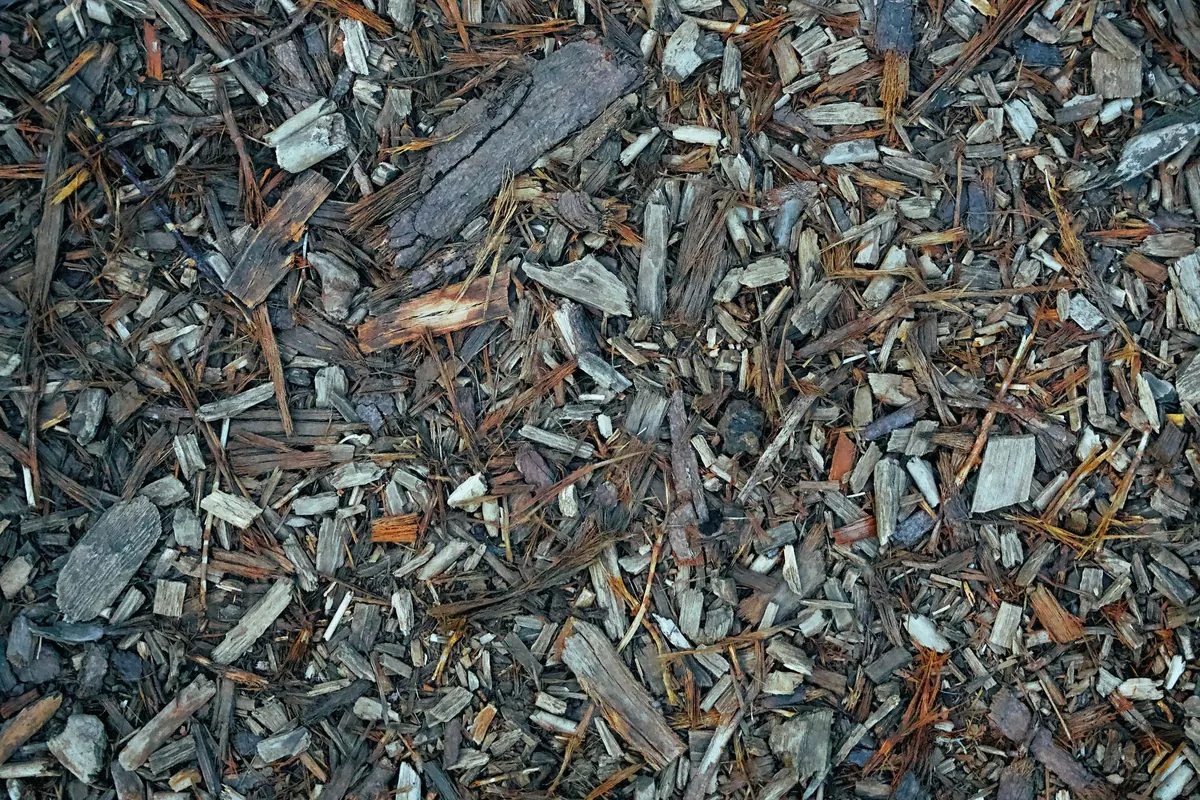
Mulch is the cheapest help a street tree gets—and one of the easiest ways to harm it. Here's how deep, where to...
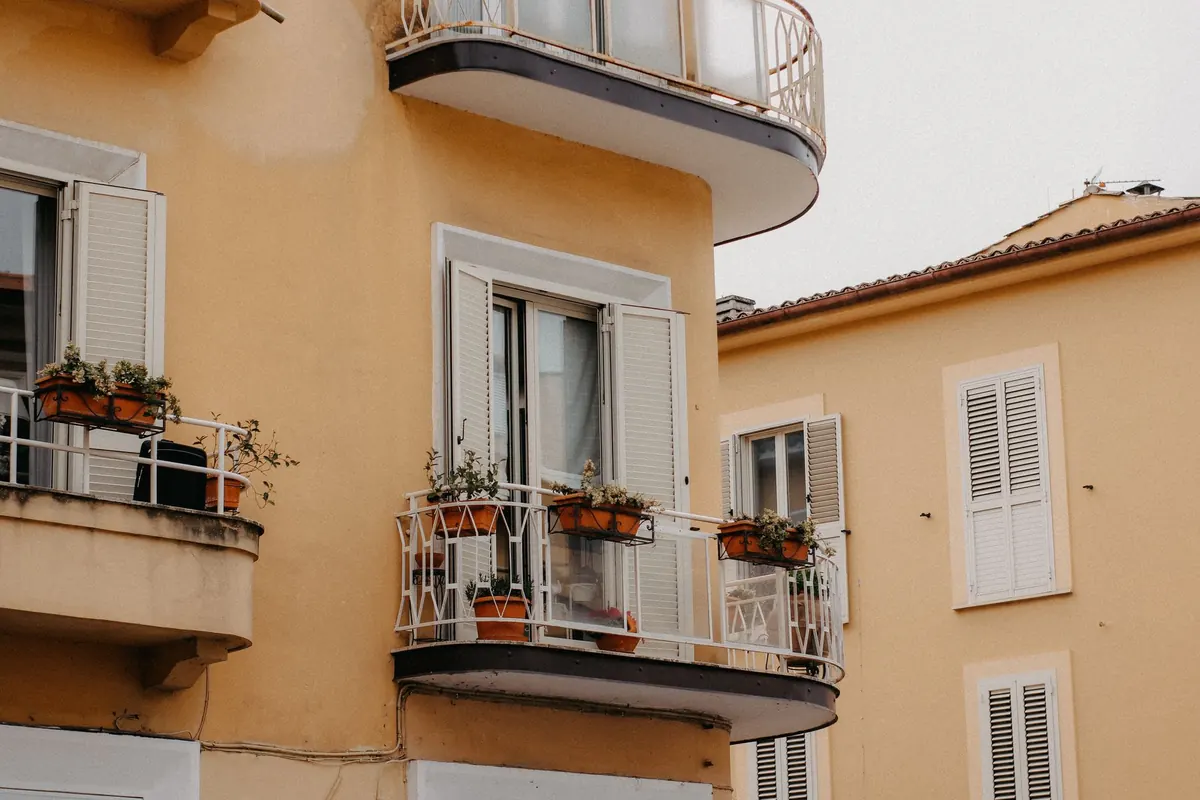

Italian city trees and green spaces.
